

Understanding Headaches
The Role of the Dura and How to Help It Relax


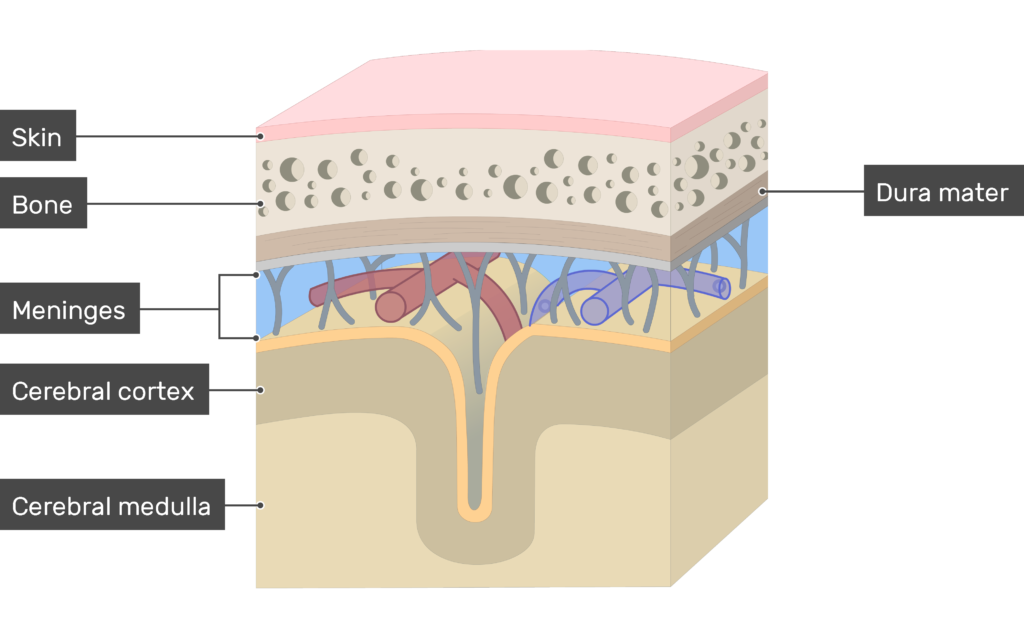
Headaches are a common ailment, but many people don't understand the true cause behind them. The majority of headaches actually come from a layer surrounding the brain called the dura mater, not the brain itself. This important covering is crucial to our understanding of why we feel pain during a headache and how we can relieve it.
The Dura: The Real Source of Pain
While it may be surprising, the brain itself does not feel pain. There are no pain receptors in the brain, so it cannot send pain signals. The discomfort we experience during a headache, especially migraines, is caused by the dura mater being stretched or pulled. The dura is sensitive and becomes irritated when it is overextended or taut. This stretching or constriction of the dura triggers pain, which is then sent to the brain as a headache.
Hydration and Sodium: Key to Dura Relaxation
Many people who suffer from chronic headaches or migraines have a sodium deficiency. This may sound unusual, but sodium plays a vital role in regulating the body’s hydration levels, which directly impacts the tension on the dura.
To understand this, we need to look at osmosis, a process that controls the movement of water across cell membranes. Water doesn’t just circulate freely in the bloodstream—what determines whether water stays in the blood or moves into tissues (such as the dura) is the sodium gradient between these spaces. Essentially, sodium acts as a “gatekeeper” for hydration. If the sodium gradient is off-balance, water may not be able to reach the tissues properly, including the dura.
When there is a deficiency in sodium, the water needed for optimal hydration is not properly distributed to the tissues, which can lead to the dura becoming tight and irritated. This tension often results in the headache pain many migraine sufferers experience.
The Solution: Restoring the Sodium Gradient
A simple yet effective way to address this issue is by restoring the sodium gradient in the body. This can be done through hydrating properly with salt water. When you consume salt water, it helps to restore the sodium gradient, allowing water to move into the tissues (including the dura). This can reduce tension in the dura, which in turn relaxes the area and alleviates pain.
For many individuals, drinking a saltwater solution can lead to dramatic relief from headaches and migraines. The key is ensuring that your body has the right balance of sodium to promote optimal hydration at the tissue level, not just in the bloodstream.
It’s Worth a Shot
Understanding that headaches are often linked to the tension of the dura mater and that sodium deficiency plays a critical role in this process can offer a fresh perspective on managing these painful episodes. By replenishing sodium levels and improving hydration through simple measures like drinking salt water, it’s possible to relax the dura and alleviate the pain of a headache or migraine. This approach is a natural and effective way to reduce tension in the brain's protective covering and help you find relief.
In addition to hydration, maintaining a healthy lifestyle, including a balanced diet and stress management techniques, can also support overall head and body health. If you’re prone to frequent headaches, it may be worth experimenting with saltwater hydration as part of your routine.
Interesting. I passed this along to my wife and two adult daughters who suffer from frequent bad headaches. I was wondering if it was genetic or hormonal since most people I know who suffer headaches are female and since these 3 are closely related. They live in three different towns and no one else in the 3 houses suffer headaches so I think I have ruled out environmental (molds or other toxins) issues. First I have heard of this so will encourage them to try it out.